What are Whole Foods?
Whole foods are foods that are found in nature. They haven’t been processed or refined. Think fruits, vegetables, whole grains, nuts and seeds, and animal proteins (meats, eggs, fish).
Whole foods are packed with essential nutrients: vitamins, minerals, fibre, and phytochemicals, which makes them nature’s perfect package.
Foods that aren’t whole have been processed to some extent. The level of that processing can vary widely, which influences the nutritional quality and overall health impact of the food.
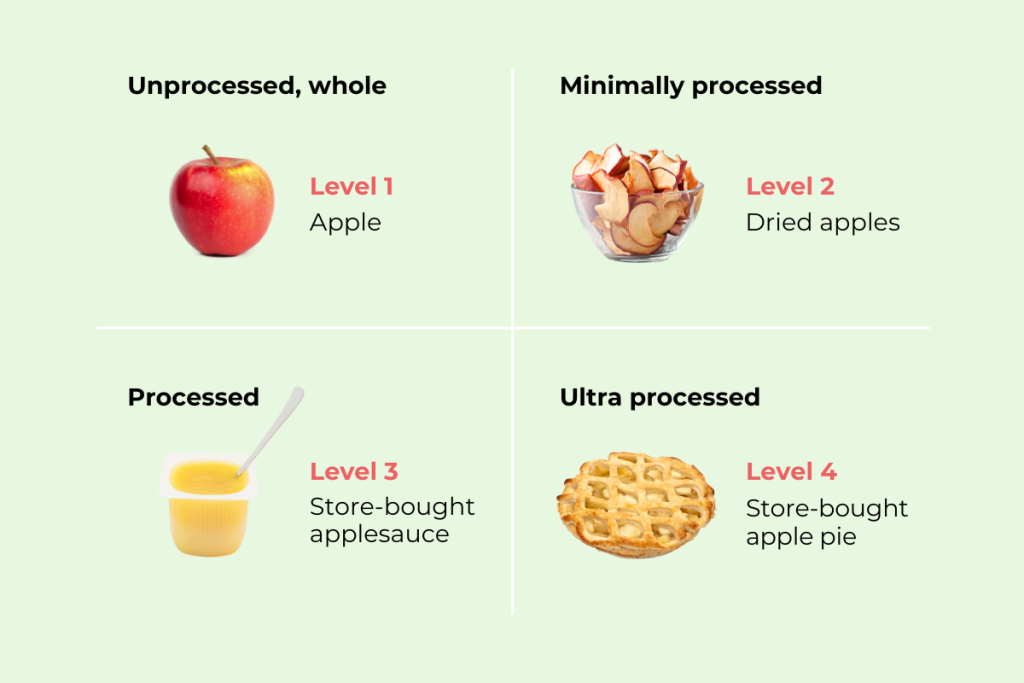
For example, an apple is one of nature’s perfect packages. It contains water, fibre, and essential nutrients. When processed into applesauce or store-bought apple pie, much of the fibre and nutrients are stripped away and replaced by refined sugars and artificial ingredients.
The different levels of processing include:
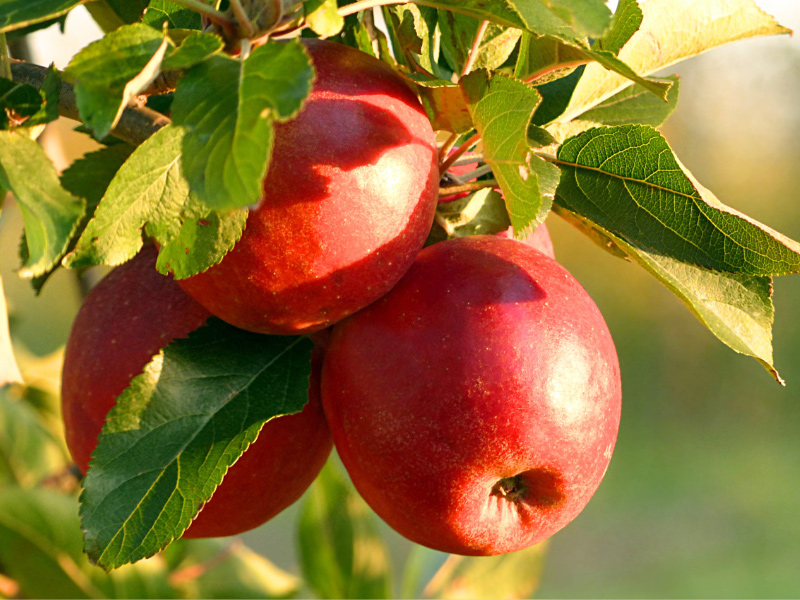
- Unprocessed: an apple picked straight from the tree, whole and intact.
- Minimally processed: apples may be washed, sliced, dried, juiced or frozen, and may include natural preservation methods that maintain their flavours and nutrients.
- Processed: store-bought applesauce made with peeled apples, added sugars, chemical additives and/or preservatives. Flavours are almost always added, and even so-called natural flavours can be chemically produced.
- Ultra processed: an industrially-produced food product that has been extensively modified; it is often loaded with sugar and artificial ingredients.